
Drug-Free Treatment for Depression
Transcranial Magnetic Stimulation (TMS) is a non-invasive treatment designed to help individuals experiencing depression that has not improved with traditional medications. TMS therapy uses targeted magnetic pulses to stimulate areas of the brain involved in mood regulation.
How Does TMS Treatment Work?
TMS therapy works by stimulating specific areas of the brain associated with mood and emotional regulation. The treatment is non-invasive and does not require hospitalization, surgery, sedation, or anesthesia. In many cases, TMS can be provided without changes to existing medications.
Comprehensive Evaluation
Your provider will review your symptoms, medical history, and previous treatments to determine if TMS is appropriate for your care. TMS is FDA-approved for treatment-resistant depression, OCD, and smoking cessation, particularly when medications or therapy have not provided adequate relief or medication side effects are difficult to tolerate.
In-Office Treatment Sessions
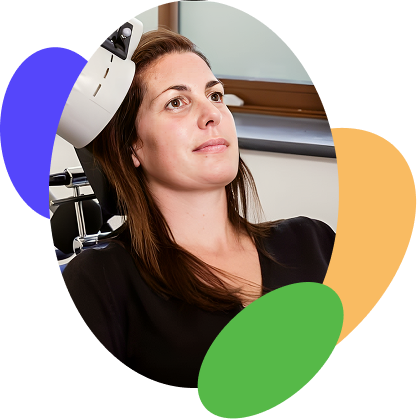
During each session, a specialized device delivers gentle magnetic pulses to targeted areas of the brain. Treatments are typically around 20 minutes and are performed in our clinic, usually five days a week for approximately six weeks, followed by a tapering period. Newer TMS devices may offer even shorter sessions.
Ongoing Progress Monitoring
Our team monitors your response throughout treatment and adjusts your care plan when needed. Clinical trials show that more than half of patients experience significant improvement, with about one-third achieving remission. Benefits may last about a year for some patients, and maintenance treatments may help sustain remission.
Conditions TMS Treatment Can Help With
TMS therapy is most commonly used for individuals experiencing depression that has not improved with traditional treatments.
Patients may benefit from TMS therapy if they are experiencing:
- Treatment-resistant depression
- Persistent depressive symptoms
- Depression that has not improved with medication
- Ongoing mood symptoms affecting daily life
Your provider will determine whether TMS therapy is appropriate after a comprehensive evaluation.
When Should You Consider TMS Therapy?
TMS therapy may be recommended when traditional treatment approaches have not provided sufficient improvement.
You may be a candidate for TMS therapy if:
- You have tried multiple antidepressant medications without relief
- You experience ongoing depressive symptoms
- Medication side effects make treatment difficult
- Your provider recommends exploring advanced depression treatments
Our team carefully evaluates each patient to determine whether TMS therapy is the right option.


Ready to Get Started?
Speak with our team about treatment options.
If you are exploring treatment options for persistent depression, our providers can help determine whether TMS therapy may be appropriate for your care.
Not Sure If TMS May Be Right for You?
Complete our brief PHQ-9 depression screening to help assess your current depression symptoms. Your results can help start a conversation with our TMS provider about possible treatment options.
New to One Behavioral Missouri?
Here’s what to expect.
Beginning care should feel simple and supportive.
- Schedule a consultation with a provider
- Complete secure intake forms before your visit
- Discuss your treatment history and symptoms
- Begin a personalized care plan if TMS therapy is recommended
Our team is available to answer questions about appointments, insurance coverage, and next steps.

Neurostar TMS Frequently Asked Questions
Transcranial Magnetic Stimulation (TMS) is a non-invasive treatment that uses magnetic pulses to stimulate areas of the brain involved in mood regulation.
No. TMS therapy is performed while the patient is awake and does not require anesthesia.
Sessions typically last between 20 and 40 minutes depending on the treatment protocol.
Most treatment plans include multiple sessions over several weeks, depending on individual needs and response to therapy.
Neurostar is a non-invasive FDA approved therapy that uses short magnetic pulses to stimulate nerve cells in the area of the brain that controls mood. These pulses can have a lasting effect on the brain’s neurotransmitter levels, helping people suffering from MDD (Major Depressive Disorder), anxiety symptoms in those with depression and OCD (Obsessive Compulsive Disorder) achieve response and, in some cases, long-term remission from depression symptoms.
Yes, 83% of people who completed a full Neurostar treatment cycle experienced a measurable decrease in the severity of depression symptoms, and 62% who completed treatment had a full remission.
Neurostar Advanced Therapy is safe and easy to tolerate. It is a non-drug and non-invasive, it does not have the common systemic side effects of medication. Neurostar does not have any effects on cognition or sleep. The most common side effect associated with Neurostar is mild to moderate pain or discomfort typically subsides with the first week of treatment.
No, Neurostar does not result in any adverse effects on memory or concentration.
During the session, you will feel a tapping sensation on your head. Each treatment session lasts around 19 minutes. Some Neurostar patients experience mild to moderate pain or discomfort at or near the treatment site during the first week of treatment. This is usually temporary and subsides in subsequent treatments.
No, Neurostar is not ECT, Neurostar TMS is precise and focused, targeting treatment at the source of depression, your brain. With Neurostar TMS you are fully awake and alert during treatment and may resume daily activities immediately afterwards. ECT, on the other hand, applies direct electrical current through the skull and into the brain rather than magnetic waves.
The initial mapping and first treatment take around 1.5 hours. Follow up treatment takes roughly 20 minutes.
Yes, you are able to drive yourself to and from the treatment.
Neurostar is covered by most major insurance providers, including Medicare and Medicaid.
No, Neurostar is not experimental; it was approved by the FDA in 2008 to help people fight depression and in 2022 for decreasing anxiety symptoms in adult patients suffering from MDD and as an adjunct therapy for adults with OCD.

Why One Behavioral Missouri?
Advanced depression care delivered with compassion.
At One Behavioral Missouri, advanced treatments such as TMS therapy are delivered with a focus on patient comfort, safety, and personalized care. Our providers take time to understand each patient’s experience and create treatment plans designed to support meaningful improvement.
We are committed to providing thoughtful care and innovative treatment options for individuals experiencing persistent depression.
Let's Get Started.
If you are experiencing depression that has not improved with traditional treatments, our team can help determine whether TMS therapy may be an appropriate option.